
In the age of social media, some people mistake attention for achievement and controversy for credibility. The fastest way to grab headlines, they believe, is to attach themselves to a bigger name. But history has repeatedly shown that borrowed limelight never becomes a lasting legacy.
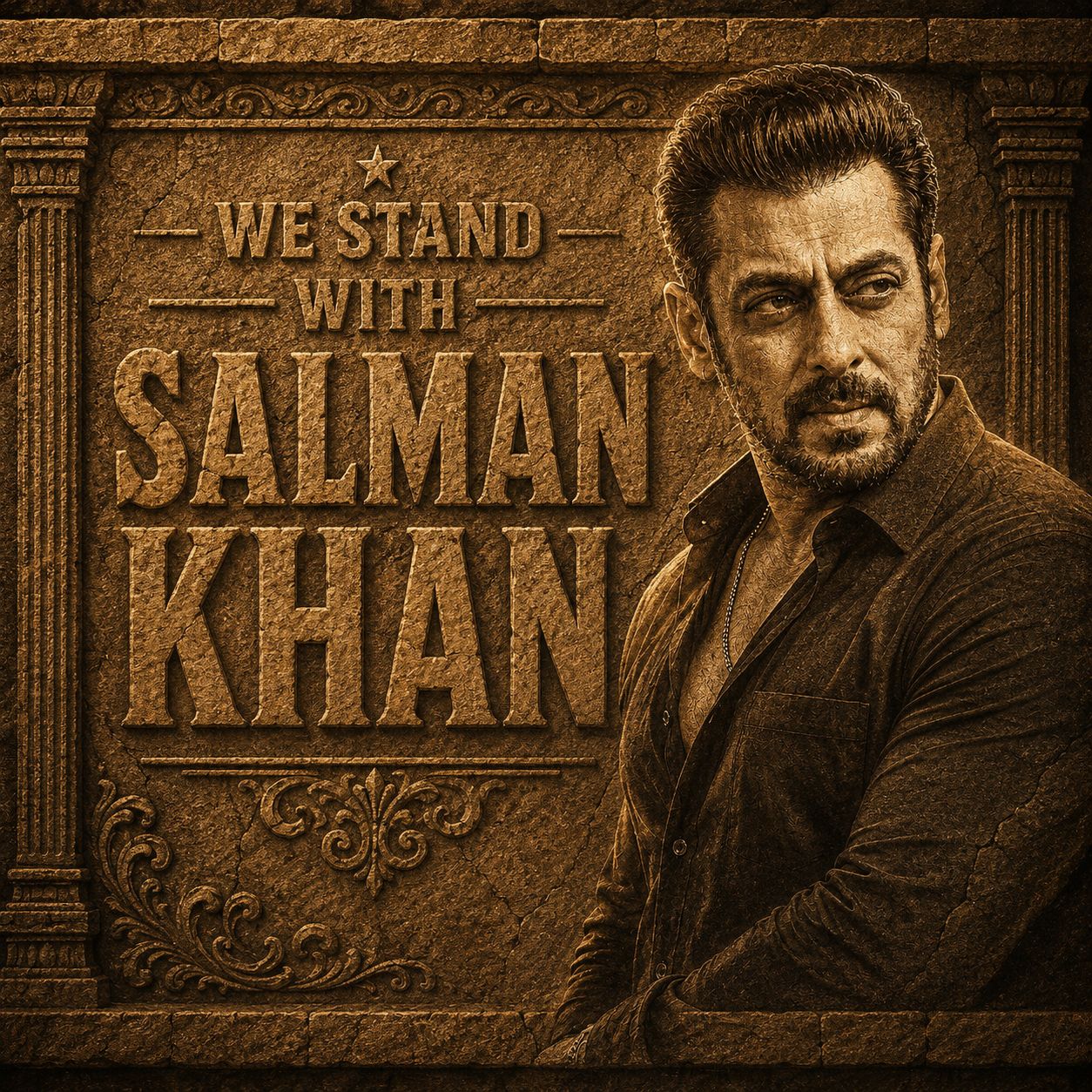
The ongoing controversy surrounding Salman Khan once again raises an important question: Is the objective to seek justice and present facts, or simply to generate publicity by targeting one of India’s biggest stars?
When legal notices are answered with courtroom arguments, it reflects confidence. When they are turned into camera-friendly spectacles, it often appears less like courage and more like an attempt to remain in the news cycle. Publicity gained through confrontation may attract temporary attention, but it rarely earns long-term respect.
There is a significant difference between building a reputation and borrowing one. Salman Khan’s stature has been built over more than three decades through films, public recognition, and an unmatched fan following. Whether one agrees with him or not, his place in Indian popular culture is undeniable.
What appears increasingly disappointing is the growing trend of seeking relevance through provocation. Attaching oneself to a major celebrity’s name may generate clicks, interviews, and social media engagement, but it does not automatically translate into credibility. True recognition comes from one’s own achievements, not from constant attempts to ride on someone else’s fame.
If there are legal disagreements, let them be settled by the courts. Let evidence speak louder than emotions and headlines. That is how serious individuals conduct themselves.
At the end of the day, controversies create noise, but accomplishments create respect. One may gain a few days of attention through sensationalism, but genuine stature is earned over decades.